Introduction
In an era where engineering and construction industries are evolving rapidly, understanding the materials that can withstand extreme conditions has become imperative. Among these materials, steel fibres have gained significant attention for their remarkable properties, particularly in high-temperature applications. The integration of steel fibres into concrete or other composite materials enhances their performance, durability, and resilience against thermal stresses.
This article delves deeply into the benefits of steel fibres in high-temperature environments, exploring their applications, advantages, and challenges. By examining current research and industry practices, we aim to provide a comprehensive overview suitable for engineers, architects, and decision-makers who are looking to optimize their projects.
Understanding Steel Fibres
What Are Steel Fibres?
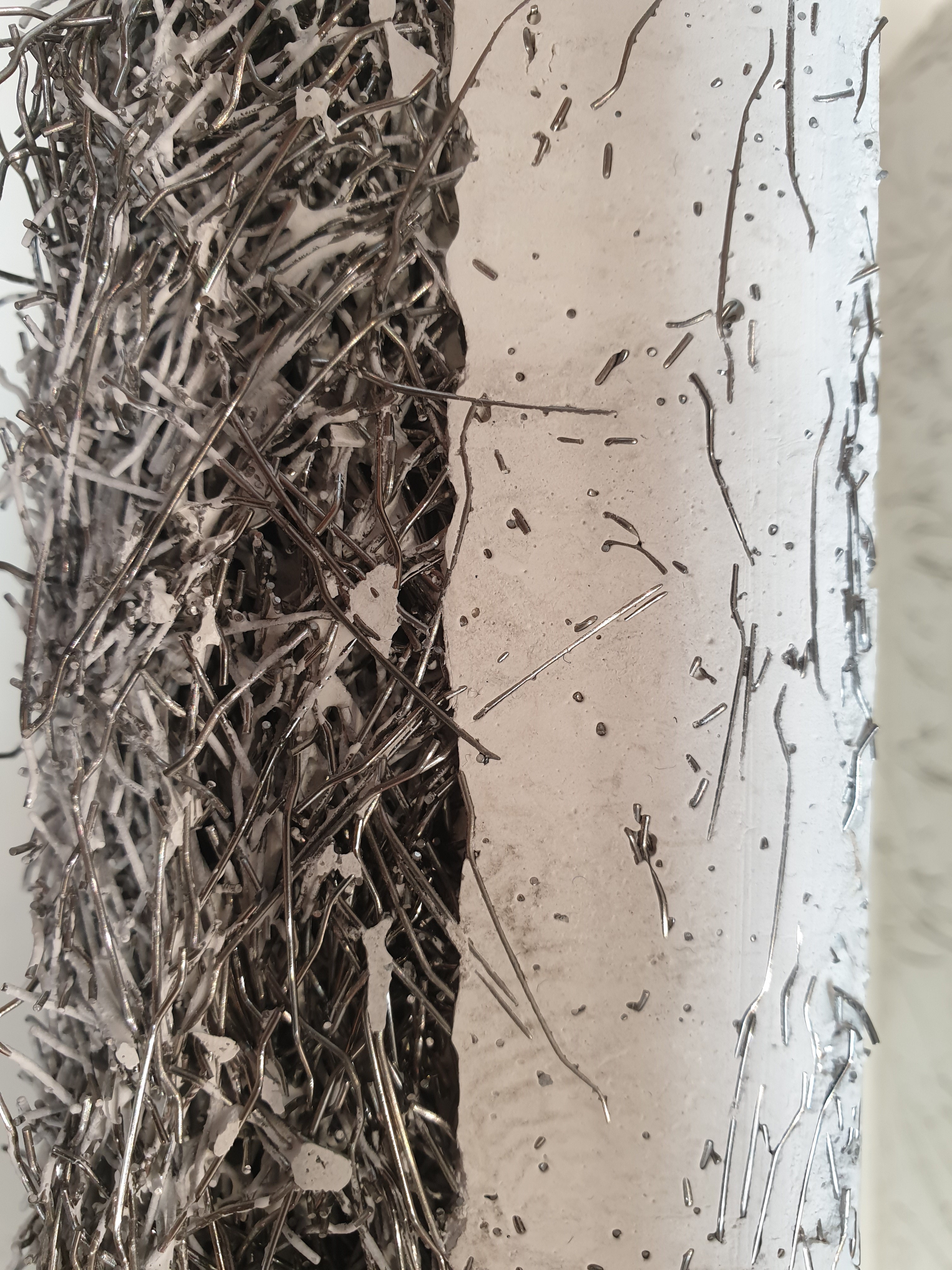
Steel fibres are short lengths of steel that are used as reinforcement optimisedfibres.com Concrete Reinforcement in various construction materials. They can vary in shape and size but typically measure between 0.5 mm to 50 mm in length. The primary purpose of incorporating steel fibres is to enhance the mechanical properties of the base material.
Types of Steel Fibres
- Hooked-End Steel Fibres: These fibres have a hooked end that helps anchor them within the concrete matrix. Straight Steel Fibres: Straight-cut steel fibres offer lower resistance but can be easier to mix. Crimped Steel Fibres: Their crimped structure provides better bonding within the concrete.
Manufacturing Process
The manufacturing of steel fibres involves cutting or shearing steel wire into specific lengths. Some manufacturers also apply surface treatments to enhance adhesion with concrete.
Exploring the Benefits of Steel Fibres in High-Temperature Applications
Steel fibres offer numerous benefits when incorporated into materials exposed to high temperatures. Here’s an exploration:
Enhanced Thermal Stability
One of the primary advantages of using steel fibres is their ability to maintain structural integrity under high temperatures. Unlike traditional reinforcement methods such as rebar, which may lose strength when subjected to heat, steel fibres retain their mechanical properties much longer.
Increased Flexural Strength
When subjected to bending forces at elevated temperatures, structures reinforced with steel fibres exhibit significantly improved flexural strength compared to those without. This characteristic is crucial in ensuring that structures remain safe and functional even when exposed to intense heat.
Improved Resistance to Cracking
High-temperature environments often lead to thermal expansion and contraction cycles that can cause cracking in conventional materials. The inclusion of steel fibres serves as a deterrent against such cracks by distributing stress more evenly throughout the material.
Applications in Fire-Rated Structures
Steel fibre-reinforced concrete (SFRC) is increasingly being utilized in fire-rated structures such as tunnel linings and industrial buildings due to its excellent fire resistance properties.
Applications of Steel Fibres in Various Industries
Construction Industry
The construction industry has been one of the primary adopters of steel fibres due to their versatile applications:
- Pavements: SFRC is used for constructing durable pavements capable of withstanding high traffic loads. Industrial Floors: Warehouses often utilize SFRC for floors that need high durability against wear and temperature fluctuations.
Aerospace Engineering
In aerospace applications, components often face extreme heat during flight operations. Using steel fibres enhances structural integrity while reducing weight—an essential factor in aircraft design.
Automotive Industry
Recent advancements have seen automotive manufacturers utilizing SFRC for parts that require both lightweight properties and thermal resilience.
Advantages Over Traditional Reinforcement Methods
Cost Efficiency
While initial costs may seem higher for incorporating steel fibres, long-term savings arise from reduced maintenance needs and increased lifespan.
Lightweight Properties
Steel fibre-reinforced composites tend to be lighter than those with traditional reinforcement methods like Concrete Reinforcement optimisedfibres.com rebar or mesh while offering enhanced performance characteristics.
Simplified Mixing Process
The uniform distribution of steel fibres within a mix simplifies production processes compared to traditional methods requiring careful placement.
Challenges Associated with Using Steel Fibres
While there are many advantages associated with using steel fibres, several challenges should be considered:
Quality Control Issues
Ensuring consistent quality during manufacturing can pose challenges, affecting overall performance.
Compatibility Concerns
Compatibility with different types of concrete or composite materials requires careful consideration during formulation.
Technical Specifications for Optimal Performance
When integrating steel fibres into high-temperature applications, certain technical specifications should be adhered to:
Aspect Ratio: The length-to-diameter ratio should be optimized based on application requirements. Dosage Rate: Proper dosages enhance performance without negatively impacting workability. Bonding Agents: Surface treatments may be necessary for optimal bonding between fibre and matrix material.Recent Innovations in Steel Fibre Technology
Research continues into enhancing the properties and manufacturing processes surrounding steel fibres:
- Nanotechnology applications aim at improving bonding characteristics. Advanced production techniques may lead to even thinner yet stronger fibre options.
Environmental Implications
Using recycled steel fibers prominently features discussions about sustainability within construction practices:
Reduces carbon footprint associated with material extraction. Promotes circular economy principles by repurposing waste materials.Case Studies Illustrating Success Stories
Several case studies highlight successful implementations:
Tunnel Linings: A major city implemented SFRC linings that demonstrated significant resistance against fire incidents while maintaining structural integrity.
Industrial Facilities: An automotive plant incorporated SFRC floors that have shown minimal wear over several years despite heavy machinery operation at elevated temperatures.
FAQs About Steel Fibres in High-Temperature Applications
1. What makes steel fibers superior for high-temperature applications?
Steel fibers maintain structural integrity under heat better than traditional reinforcements like rebar due to their uniform distribution within the matrix.
2. Can steel fibers be used alone as reinforcement?
While they significantly enhance material performance, it’s generally recommended they complement other forms of reinforcement rather than replace them entirely.
3. How do I determine the appropriate dosage rate for my project?
Consulting with an engineer familiar with SFRC application standards will provide tailored recommendations based on your specific project needs.
4. Are there any environmental concerns related to using steel fibers?
Utilizing recycled materials reduces overall environmental impact while promoting sustainable practices within construction methodologies.
5. How do I ensure compatibility between different concrete mixes and fibers?
Conduct thorough testing during pre-construction phases; collaborating closely with suppliers can help address compatibility issues early on.
6. What industries benefit most from using steel fibers?
Industries such as construction, aerospace engineering, automotive manufacturing, and industrial flooring heavily rely on the benefits offered by using steel fibers due primarily due its enhanced mechanical properties under varying conditions including high temperatures!
Conclusion
In conclusion, exploring the benefits of steel fibres in high-temperature applications reveals compelling advantages across multiple industries—from enhanced durability and flexibility to cost efficiency over time. While challenges exist regarding quality control and compatibility concerns among different materials, ongoing innovations promise a bright future for this technology—contributing not only towards safer designs but also fostering sustainable building practices globally! As we continue embracing advanced engineering solutions like these into our projects today; tomorrow’s infrastructure stands strong against whatever challenges lie ahead!